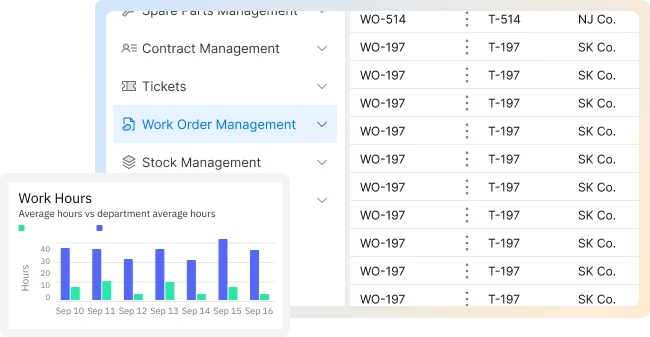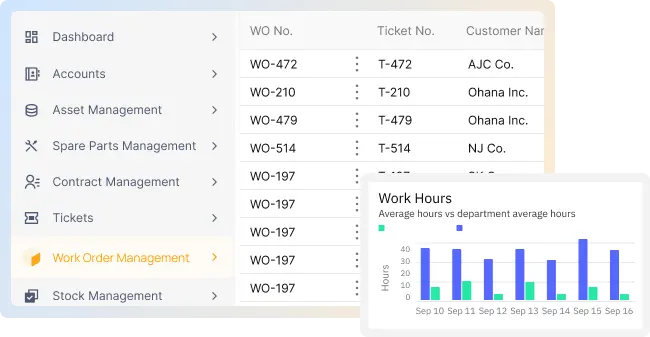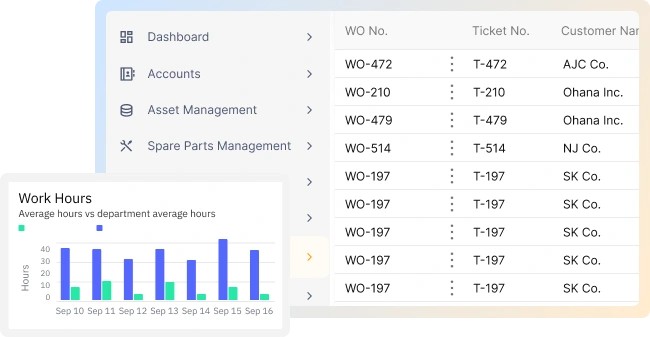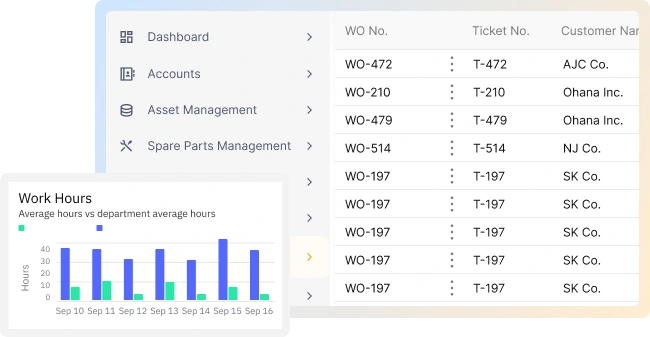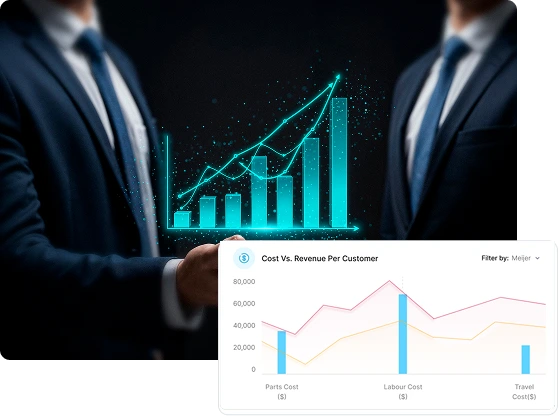
Asset Service Coverage defines who is eligible for what, for how long, and under which conditions. It ensures every service action, from repair to replacement, and preventive maintenance, is validated against active coverage before work begins.

-
Industries
Test
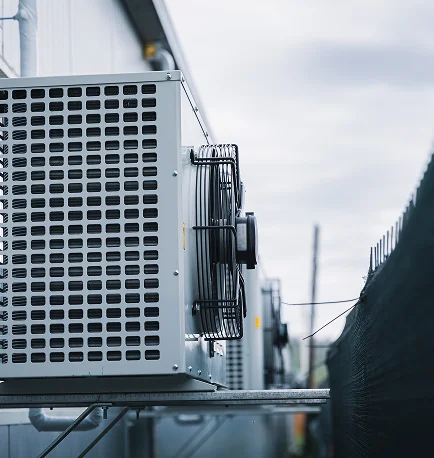
HVAC
Reduce downtime and repeat visits to your HVAC business with ServiceStation. Connect assets, entitlements, and technicians into a single, optimized service flow.
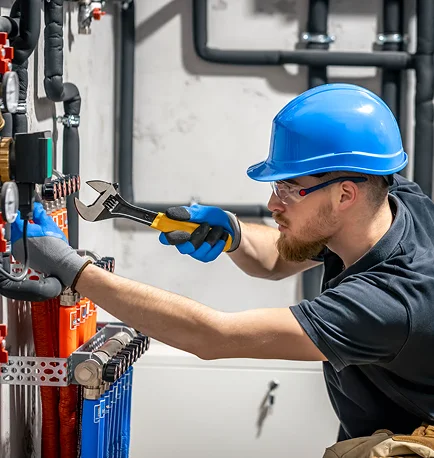
Plumbing
ServiceStation creates value for plumbing operations by improving response times, tracking recurring issues, and ensuring accurate billing for every service call.

Electrical
Enable safer, faster electrical service delivery through clear job visibility, compliance tracking, and structured technician execution.

Roofing
ServiceStation brings control to roofing projects by managing inspections, repairs, and warranties with full traceability and predictable turnaround times.

Field Asset Management
Turn fragmented asset data into a unified strategic advantage. ServiceStation tracks every lifecycle stage, from current condition to historical performance, with absolute precision.

Cleaning Service
Replace guesswork with verifiable reliability. ServiceStation gives you total visibility into cleaning service execution, bridging the gap between scheduled tasks and completed work.

General Contracting
ServiceStation adds value to general contracting by coordinating jobs, vendors, and timelines while maintaining accountability and cost control.

Construction Management
ServiceStation synchronizes work orders, assets, and crews to eliminate on-site friction. By unifying resource alignment with real-time planning, we slash costly downtime and ensure project momentum across every site.

Consumer Appliance Service
Maximize service velocity with ServiceStation. By integrating instant warranty verification with streamlined repair workflows, we boost first-time fix rates and reduce the downtime that impacts your customers' daily lives.

Commercial Appliance Service
Scale your commercial service operations with confidence. ServiceStation automates SLA compliance and multi-site asset tracking, turning complex service requirements into streamlined, measurable, and highly profitable outcomes.